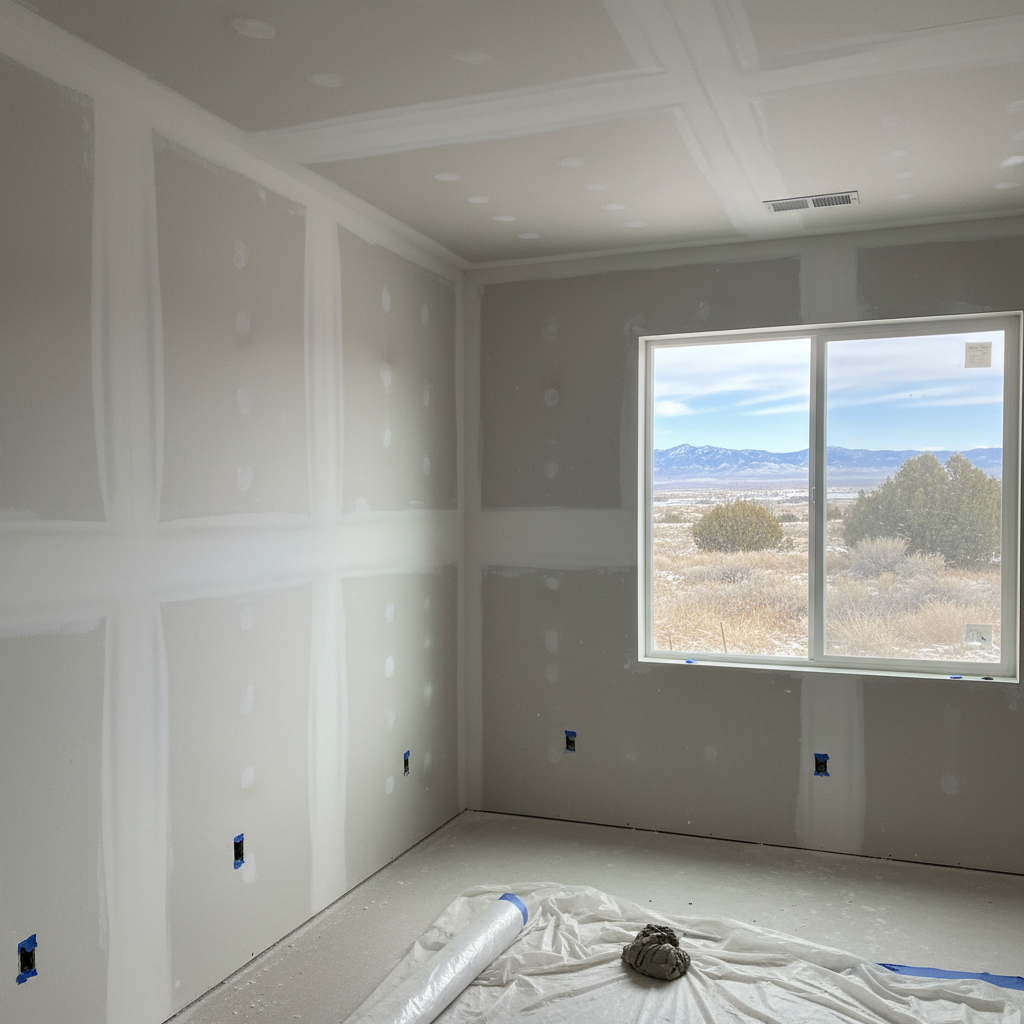
So, when's the best time to finally tackle that drywall project? It's not just about when you've got the time or the budget, you know. It's also a lot about what Utah's weather is up to. Here in West Valley City, we see some pretty wild swings, and those can really mess with how your drywall turns out and how long it lasts. As someone who's been doing this for years with Elite Drywall Inc, I've seen just about everything. And I want to share what I've learned about timing your project right.
Why Weather Really Matters for Drywall
Drywall, at its heart, is just a paper-faced gypsum board. And gypsum? It reacts to moisture and temperature. If it's too humid, the board can get soft, become harder to work with, or even warp. On the flip side, if it's too dry, it might shrink and crack after we put it up. Temperature extremes also affect the joint compound – how it sets, how it dries, and how well it sticks. You really want a stable environment for the best results, and that's not always easy to find in our neck of the woods, is it?
The Best Time to Schedule Your Drywall Work
Generally, I tell folks the sweet spot for drywall installation in West Valley City is late spring or early fall. Why those times? Because the humidity levels are usually more moderate then, and the temperatures aren't at their extremes. You're not fighting the super dry heat of August or the freezing, damp cold of January.
- Spring (April-May): This is often perfect. The ground has thawed, but we haven't hit that really intense summer heat yet. The air isn't overly dry, and we're past the worst of the winter moisture. Plus, it's easier to keep a consistent indoor temperature.
- Fall (September-October): Another great window. The summer heat has broken, and the air starts to get a bit crisper without being bone-dry or freezing. It's a good time, right before you really crank up the furnace, which can dry out the air too much.
Times to Be Wary Of
Now, I'm not saying you absolutely can't do drywall in summer or winter, but you'll definitely need to be more careful. If you're building a new home out in the Decker Lake area, for instance, and it's mid-July, you're going to be dealing with very low humidity and high temperatures. This means the drywall and joint compound can dry out too fast, which often leads to cracking or poor adhesion. In winter, especially when it's below freezing outside, heating a space too aggressively can also dry out the air, causing similar problems. And cold temperatures? They can really slow down the drying time of joint compound, extending your project timeline quite a bit.
If you're doing a renovation and the space is already heated or cooled, it's less of a headache. Still, you need to be mindful of opening windows or doors too much during extreme weather.
Controlling the Environment Indoors
No matter when you schedule, controlling the indoor environment is absolutely key. Here's what you or your contractor should be doing:
- Maintain Consistent Temperature: Aim for around 60-75°F (15-24°C). This helps the materials behave predictably.
- Monitor Humidity: Keep relative humidity between 30-50%. In dry Utah summers or heated winters, you might need humidifiers. On particularly wet spring days, dehumidifiers can help out.
- Good Ventilation, Not Excessive: You do need some airflow to help the joint compound dry. But don't blast it with fans that create strong drafts. That just dries the surface too fast, risking cracks underneath.
- Protect Materials: Store drywall sheets flat and off the ground in a climate-controlled space for a few days before installation. This lets them get used to the room's conditions.
Protecting Your Investment Year-Round
Once your drywall is up and painted, it's pretty tough. But ongoing care helps protect your investment. Keep an eye on your home's humidity levels, especially if you have a humidifier or dehumidifier. Extreme fluctuations can still cause minor movement in your walls over time. If you notice persistent cracks appearing, it might signal structural movement, or just that your home is settling, which is common in areas with our clay-rich soils. Either way, it's worth checking out.
Don't let the weather scare you off your project. With a little planning and understanding of our local climate, you can get beautiful, long-lasting drywall. If you're ready to get started or just want to chat about your project, give us a call at Elite Drywall Inc. We're always happy to help our West Valley City neighbors get it right.