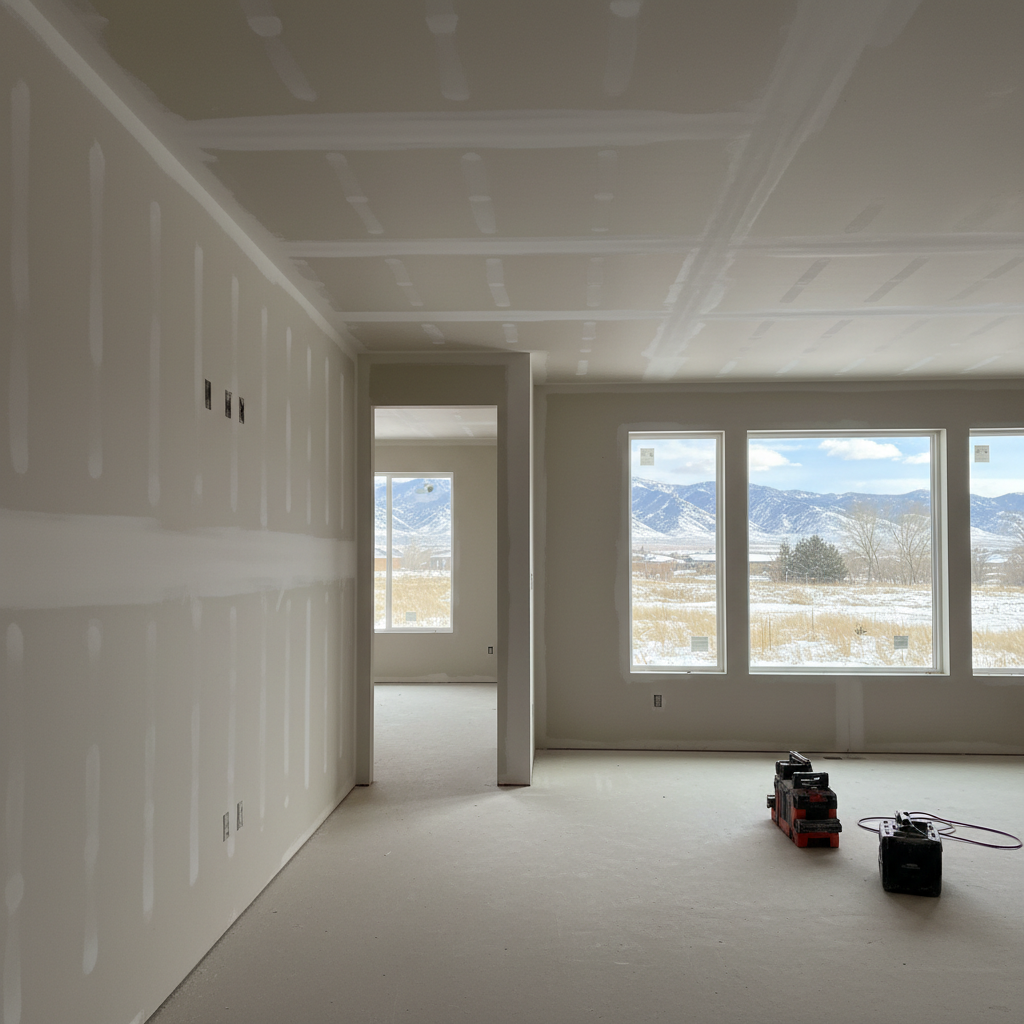
When's the best time to hang drywall? That's a question I hear a lot, especially from folks right here in West Valley City. You might figure it doesn't matter much, but our local climate — those hot summers and cold, dry winters — actually makes a pretty big difference in how your drywall turns out and how long it lasts. As a contractor, I've seen just about everything, and I want to share what I've picked up about timing your drywall projects and keeping them looking good all year round.
West Valley City's Climate and Your Drywall: What You Need to Know
Our weather here in the Salt Lake Valley isn't exactly gentle. We get those scorching summers, often hitting the high 90s, and then winter can drop well below freezing. So, what does all that mean for drywall? It comes down to humidity and temperature. Drywall is basically gypsum plaster pressed between two sheets of paper. It's built to be stable, but extreme swings can definitely cause problems.
Think about it: when it's super humid, the paper can soak up moisture, making it softer and tougher to work with. Then, if it dries out too fast, you risk cracking or joint issues. On the flip side, extremely dry air, especially in winter, can pull moisture out of the mud and tape way too quickly, leading to shrinkage and cracks. I've seen homes in places like the Granger neighborhood, particularly older ones without great insulation, where these temperature and humidity swings really show up in the drywall. It's not pretty.
When to Schedule Your Drywall Project
So, what's the sweet spot? Ideally, you want moderate temperatures and stable humidity. For us here in West Valley City, that usually means spring and fall are your best bets. The temperatures are milder, and the air isn't bone-dry or oppressively humid.
- Spring (April-May): This is often perfect. The ground's thawed, the air's crisp but not too cold, and we usually get a nice balance of moisture. It gives the mud and tape time to cure properly, without rushing or dragging.
- Fall (September-October): Another great window. The summer heat has broken, and the really cold, dry air hasn't settled in yet. It's usually pretty stable, which is exactly what you want for a good, smooth finish.
Can you do it in summer or winter? Absolutely, but you need to be more careful. If you're doing a new build or a big renovation, you'll want to make sure the building is enclosed. You also need to control the indoor environment. That means running your HVAC system, even if it's just for temperature and humidity, not just for comfort.
Weather Conditions That Affect Drywall Work
Here's what I keep an eye on when I'm on a job:
- High Humidity: If it's a super muggy day, mud can take forever to dry. We might need to run dehumidifiers or fans to help it along. You really don't want to rush the next coat, or you'll end up with soft spots or bubbles.
- Low Humidity/Dry Air: This is common in our winters. The mud can dry too fast, which can lead to cracking, especially at the joints. We might need to slow down the drying process, maybe even mist the air a bit, or use specialized mud that's more forgiving.
- Extreme Temperatures: Really hot or really cold conditions can affect the mud's consistency and drying time. Mud has a working temperature range, and if it's too far outside that, it simply won't perform as it should.
Protecting Your Drywall Investment Year-Round
Once your drywall is up and finished, you're not entirely off the hook. Here's how to keep it looking good:
- Maintain a Consistent Indoor Climate: This is probably the biggest one. Try to keep your home's temperature and humidity as stable as possible. Don't let your house get super cold in winter or incredibly hot in summer if you can help it. Your HVAC system isn't just for comfort; it's protecting your home's finishes.
- Address Leaks Immediately: Any water leak — from a roof, a pipe, or a window — is drywall's worst enemy. It can cause mold, swelling, and complete failure. If you see a water stain, don't wait. Find the source and fix it.
- Ventilate High-Moisture Areas: Bathrooms and kitchens generate a lot of humidity. Make sure your exhaust fans are working and use them! This prevents moisture from building up and affecting the drywall and paint.
- Keep an Eye Out for Cracks: Small hairline cracks can appear over time due to house settling or minor temperature shifts. Most aren't a big deal, but if you see new, large, or spreading cracks, especially around windows or doors, it might signal a structural issue that needs checking out.
Getting your drywall done right means thinking about more than just the installation itself. It's about understanding our unique West Valley City environment and planning accordingly. If you're planning a project and want to make sure it's done with our local conditions in mind, give Valley Drywall a call. We've been doing this for a long time, and we know what it takes to get a lasting finish here.