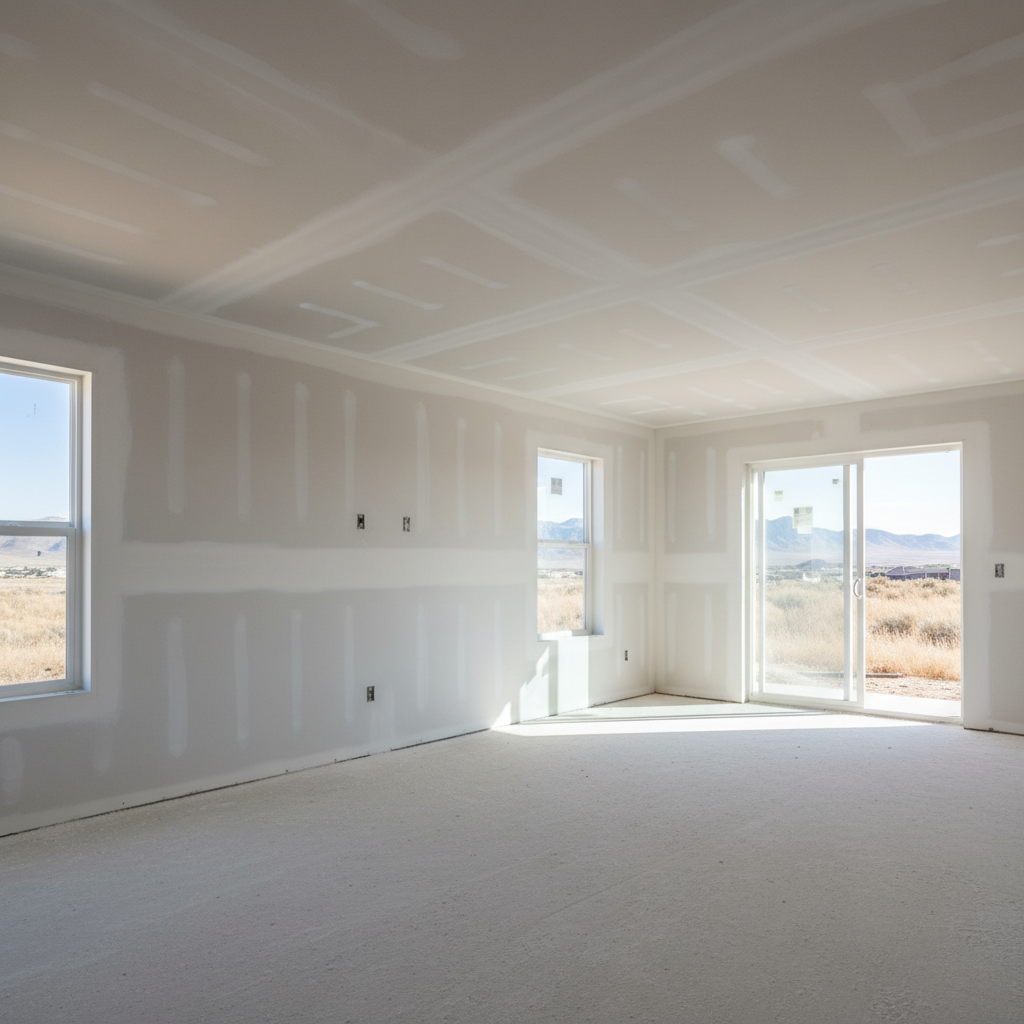
So, you've got new drywall up, or maybe you're just patching some old stuff, and now it's time for the taping and mudding. This isn't just about making things look pretty, you know; it's absolutely crucial for a smooth, durable finish. I've seen a lot of projects around West Valley City, from the older homes near Redwood Road to the newer builds out by Mountain View Corridor, and getting the taping and mudding right really makes all the difference. Let's talk about what you should expect.
Understanding the Project Timeline
Don't go into this expecting a one-day job. Taping and mudding is a multi-step process, and patience is key here. You're looking at a minimum of 3-5 days for a typical room, and that's if everything goes perfectly. Why so long? It all comes down to drying time.
- Day 1: Taping and First Coat. We'll get the tape on all seams and corners, then apply the first layer of joint compound (that's "mud" to us). This coat usually goes on a little thicker.
- Day 2: Second Coat. Once that first coat is completely dry – and I mean *completely*, which can take anywhere from 12-24 hours depending on humidity and temperature – we'll put on a second, wider coat.
- Day 3: Third Coat (and maybe more). Often, this is the final coat. We feather out the edges here to blend everything seamlessly with the wall. Sometimes, especially with tricky areas or if you're aiming for a Level 5 finish, we might even need a fourth, super-thin skim coat.
- Drying and Sanding. Each coat needs its own dedicated drying time. Then comes the sanding, which is dusty work, no doubt, but absolutely essential for that smooth finish.
Trying to rush things by applying coats too quickly or not letting them dry enough is a recipe for cracking and bubbling down the road. Trust me, you really don't want to deal with that a few months after painting.
What to Expect During the Process
First off, it's going to get dusty. Even with dust-reducing compounds and good ventilation, drywall sanding creates a fine powder that just gets everywhere. We do our best to contain it, but you should definitely prepare for it.
You'll also notice a distinct smell from the joint compound. It's not usually overpowering, but it's there. Good ventilation helps a lot, which is why we often suggest keeping windows open if the weather allows. For us here in West Valley City, that's usually not a problem during the warmer months, but in winter, we'll rely more on fans and air filters.
The crew will be in and out, sometimes for short periods just to check drying, other times for longer stretches of application and sanding. It’s not a constant stream of activity like framing or hanging the drywall itself. There will be periods of quiet while the mud does its thing.
How to Prepare Your Home
Before we even start, there are a few things you can do to make the process smoother for everyone:
- Clear the Room: Move out as much furniture as possible. If something can't be moved, push it to the center of the room and cover it with plastic sheeting.
- Protect Your Floors: We'll lay down drop cloths, but it's a good idea to put down your own protective layers too, especially if you have sensitive flooring.
- Turn Off HVAC (Temporarily): During sanding, it's best to turn off your heating or AC system. This keeps dust from circulating through your ducts. We can turn it back on once the dust settles.
- Ventilation: If you have windows, make sure they're accessible and can be opened.
- Access: Ensure the crew has clear access to the work area and any necessary power outlets.
A little prep on your end goes a long way in keeping your home cleaner and letting us work efficiently.
Questions to Ask Before Signing a Contract
Choosing the right contractor is a big deal. Don't just go with the cheapest bid, okay? Ask these questions:
- What level of finish do you provide? Drywall finishes come in different levels (Level 0 to Level 5). Level 4 is standard for most painted surfaces, but if you're doing a high-gloss paint or have strong lighting, you might want Level 5. Make sure you're both on the same page.
- What's your dust control plan? How will they minimize dust spread? Do they use dustless sanders or plastic sheeting?
- How long do you estimate the project will take, including drying times? Get a realistic timeline. If someone promises a full room in two days, they're probably cutting corners on drying.
- What's included in the quote? Does it cover materials, labor, cleanup, and disposal? Are there any hidden fees?
- Do you carry insurance? This is non-negotiable. Make sure they have liability insurance and workers' compensation. You don't want to be on the hook if someone gets hurt or something gets damaged.
- Can you provide references? A good contractor, like us at Elite Drywall Inc, should be happy to share contacts from past clients.
- What's your warranty on the work? What happens if cracks appear a few months down the line?
Asking these questions upfront protects you and helps ensure you get a quality job. A good taping and mudding job sets the stage for a beautiful paint finish, and it's definitely worth taking the time to get it right.