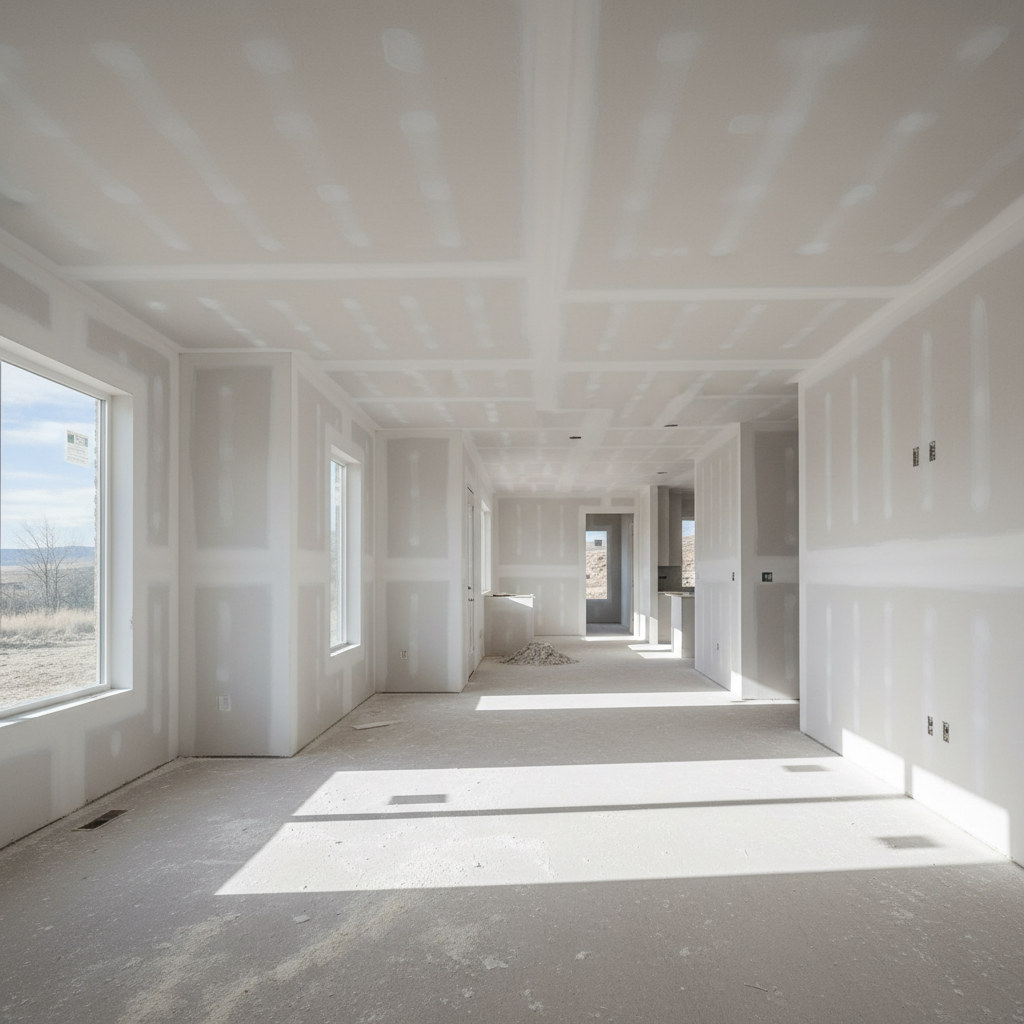
So, you're thinking about getting some drywall put up in your West Valley City home. Maybe you're finally finishing that basement, adding on a new room, or just patching up some old, beat-up walls. Whatever the reason, it's a big project, and you really want it done right. As someone who's been doing this for years with Valley Drywall, I've seen plenty of folks dive in without a clear idea of what to expect, and honestly, that can cause headaches for everyone involved. Let's chat about how to plan this out so it all goes smoothly.
Setting Your Project Timeline
One of the first things homeowners always ask me is, "How long will this take?" And the answer, like with most construction jobs, is usually "it depends." But I can definitely give you a good idea of the different stages and what you need to consider. For a typical room or a basement finish, you're not just looking at the hanging part itself.
- Initial Consult & Quote: This can take anywhere from a few days to a week. You'll want to get a couple of bids, and good contractors are busy, so scheduling that first meeting might take a little time.
- Material Ordering & Delivery: Drywall isn't always just sitting in a warehouse, ready to go. Especially if you need specific types (like moisture-resistant board for bathrooms or fire-rated for garages), it could take a week or two for delivery. Oh, and don't forget: getting those 12-foot sheets into a tight West Valley City rambler often means they'll come through a window, so that needs to be planned for.
- Drywall Hanging: This is usually the quickest part. For an average basement (say, 800-1000 square feet of wall/ceiling), my crew can typically get the board up in 2-4 days. That depends on how complex the job is – how many corners, arches, or cutouts we're dealing with.
- Taping & Mudding: Now, this is where the real artistry comes in, and it takes time. You've got multiple coats of mud, and each one has to dry completely before the next one goes on. Depending on humidity and temperature (in our dry Utah climate, things can dry faster, but you still need cure time), this stage can easily stretch to 5-10 days, sometimes even more if you're aiming for that perfect Level 5 finish.
- Sanding: Once the mud is dry, it's time for sanding. This usually takes a day or two, depending on the job's size. It's dusty, no doubt, but absolutely crucial for a smooth finish.
- Priming & Painting Prep: After all that sanding, you'll want to prime. This isn't part of my drywall work, but it's the next step for you. Plan for another day or two here.
So, from the moment we start hanging to when it's ready for paint, you're generally looking at a minimum of 2-3 weeks for a decent-sized project. Don't let anyone tell you they can do it perfectly in a week, unless it's just a tiny repair. Quality just takes time, doesn't it?
What to Expect During the Process
When my crew shows up, here's what you can generally expect. First off, we'll protect your floors and any areas we're not working in. We're not just going to stomp through your house. Then, the hanging starts. You'll hear saws, drills, and hammers. It's going to be noisy. There will be drywall dust, even with good dust collection. We do our best to contain it, but it's a construction zone, so expect some mess.
Once the sheets are up, the taping and mudding begins. This is a wet process. You'll see mud applied, then smoothed, then more mud. It'll look pretty messy before it starts to look good. We'll have fans running to help things dry. We'll be coming and going for several days during this phase. Finally, the sanding. This is the dustiest part, plain and simple. We'll clean up the big stuff, but you'll still find a fine layer of dust afterward that you'll need to deal with before painting. We're there to do the drywall, not a full house cleaning, you know?
How to Prepare Your Home
This is a big one, and it makes a huge difference for everyone involved. Do these things before we even show up:
- Clear the Area: Move all furniture, decorations, and anything valuable out of the work zone. If it's a basement, get everything out of the way. We can't work around your treadmill or your grandmother's antique dresser.
- Remove Wall Hangings: Take down all pictures, mirrors, and shelves from any walls that will be worked on.
- Cover Anything You Can't Move: If there's something immovable, like a built-in cabinet, cover it thoroughly with plastic sheeting and painter's tape. Don't just throw a sheet over it; seal it up tight.
- Ensure Access to Utilities: Make sure we have easy access to power outlets and, if needed, water.
- HVAC Protection: If you have forced air heating/cooling, think about turning off your system or at least sealing off vents in the work area to keep dust from circulating through your whole house. This is especially important in West Valley City, where our air can get pretty dry, and dust travels easily.
- Pets and Kids: Keep pets and kids away from the work area. It's a safety hazard for them and a distraction for us.
The more prepared you are, the faster and smoother the job will go, and the less stress you'll have. Simple as that.
Questions to Ask Before Signing a Contract
Before you commit to any contractor, you really need to ask the right questions. Don't just go with the lowest bid; that's a recipe for disaster more often than not. Here are some things I'd want to know if I were hiring someone:
- Are you licensed and insured? Don't just take their word for it. Ask for proof of their current business license and liability insurance. This protects you if something goes wrong.
- Can you provide references? A good contractor will happily give you contact info for past clients. Call them! Ask about communication, cleanup, and if the project stayed on budget.
- What's included in the bid? Make sure the quote is detailed. Does it include materials? Delivery? Cleanup? How many coats of mud? What level of finish (Level 4 is standard for paint, Level 5 is for high-gloss paint or critical lighting)?
- What's your payment schedule? A reputable contractor won't ask for 100% upfront. Expect a deposit (maybe 25-50%), progress payments, and a final payment upon satisfactory completion.
- What's your warranty? What happens if cracks appear a few months down the road? A good contractor stands by their work.
- Who will be doing the actual work? Is it the owner, employees, or subcontractors? This isn't necessarily a deal-breaker, but it's good to know who's coming into your home.
- How do you handle change orders? If you decide to add a niche or move a wall, how will that impact the cost and timeline? Get it in writing.
Taking the time to plan and ask these questions upfront will save you a lot of grief and ensure you get the quality drywall job your West Valley City home deserves. We're here to help make that happen.