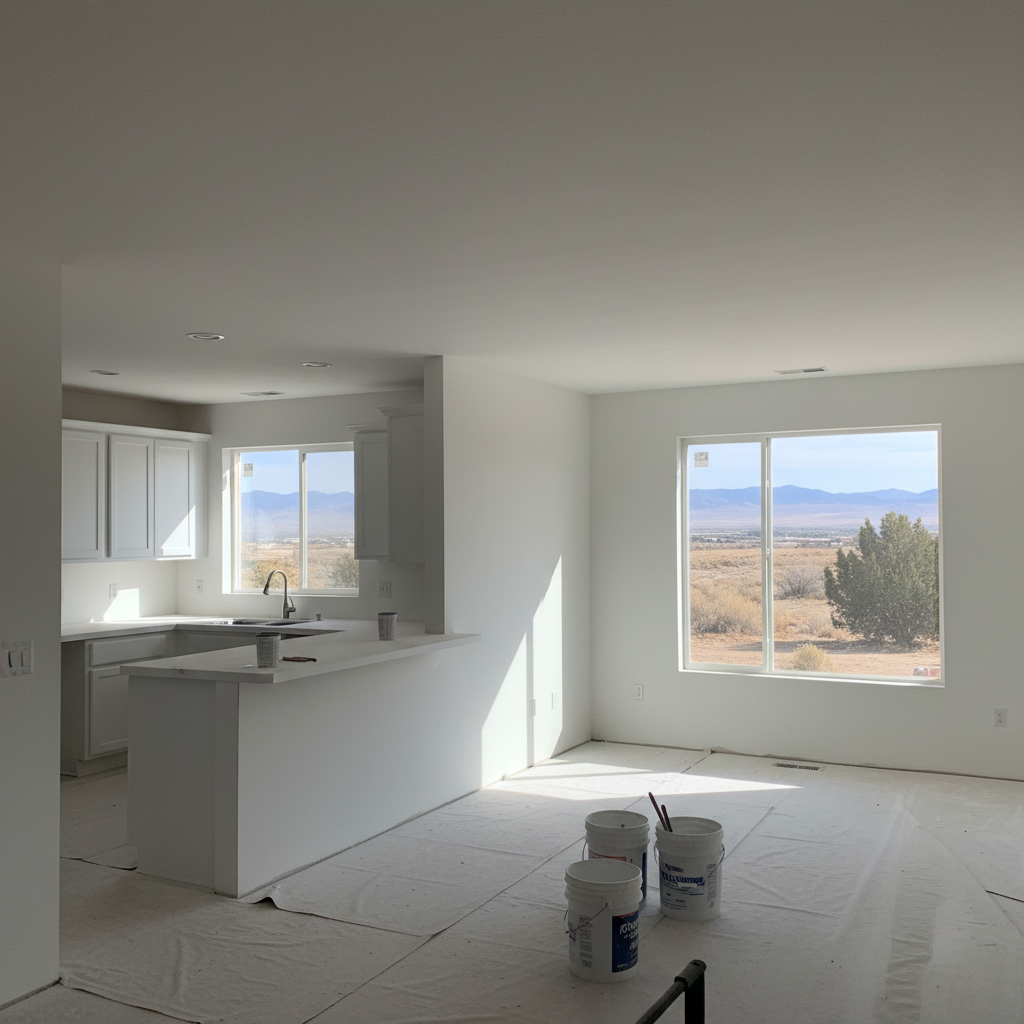
Alright, let's talk about drywall priming. It's one of those steps folks sometimes think they can skip or skimp on to save a buck. Big mistake. Priming isn't just about making the paint stick; it's about making it look good and last, really. If you're doing any drywall work here in West Valley City, whether it's a small patch or a whole new room, you need to understand what goes into priming and what it's going to cost you.
Why Priming Drywall Matters (and Costs Money)
First off, why even bother with primer? Drywall, especially brand-new drywall, is like a giant sponge. If you just slap paint on it, it'll soak it right up, leaving you with uneven color, flashing (that's when it looks splotchy), and needing way more coats of paint than you ever planned. Primer seals that porous surface, gives the paint something to grip onto, and helps hide imperfections. It's the foundation for a professional-looking paint job, plain and simple.
What Affects Drywall Priming Costs?
A few things really drive the price up or down, as you might expect:
- New vs. Existing Drywall: New, unpainted drywall needs a specific type of primer, often a PVA (polyvinyl acetate) primer. This stuff is designed to seal the porous paper and mud. It usually takes one good coat. If you're priming over existing paint, it's more about adhesion and stain blocking, and the primer might be different, but the process itself is pretty similar.
- Surface Condition: Are we priming perfectly smooth, new drywall, or are there a bunch of repairs, patches, and texture differences? The more prep work needed to get the surface ready for primer, the more time and material it'll take.
- Type of Primer: Basic PVA primers are the cheapest, running maybe $20-30 a gallon. Specialty primers, like stain-blocking, odor-sealing, or high-hide primers, can easily be $40-70 a gallon or more. If you've got water stains from a leaky roof (common in older homes around the Redwood Road area), you'll definitely need a good stain-blocker.
- Accessibility: High ceilings, tight corners, or rooms full of furniture that need to be moved and covered all add to labor time.
- Labor Rates: This is a big one, perhaps the biggest. Good, experienced painters and drywall finishers aren't cheap. They know what they're doing, they work efficiently, and they do it right the first time.
- Project Size: Larger projects often get a slightly better per-square-foot rate than tiny jobs because of economies of scale.
Typical Cost Ranges in West Valley City
When you're talking just the priming step, not the full paint job, here's what I generally see:
- Basic New Drywall Priming: For a standard PVA primer on new, clean drywall, you're usually looking at about $0.40 to $0.75 per square foot of wall and ceiling surface. This includes the primer material and labor for one coat.
- Priming Over Repaired or Existing Drywall: If there's some patching, light sanding, or you need a slightly better primer, it might jump to $0.60 to $1.00 per square foot.
- Specialty Primers: For serious stain blocking, odor sealing, or high-hide needs, the cost can go from $0.80 to $1.50 per square foot, sometimes more if it's a really tough situation or requires two coats of primer.
So, for a typical 10x12 foot room with 8-foot ceilings (about 384 sq ft of wall/ceiling surface), you could be looking at anywhere from $150 to $575 just for the priming, depending on the factors above. Quite a range, huh?
What Should a Quote Include?
When you get a quote for priming, make sure it's clear on these points:
- Material Costs: What type of primer are they using? How many gallons?
- Labor Costs: How many coats? What's their hourly or per-square-foot rate?
- Prep Work: Does it include basic dusting, wiping down surfaces, and protecting floors/fixtures?
- Cleanup: What level of cleanup is included?
- Timeline: When will they start and finish?
At Elite Drywall Inc, we always break down our quotes so you know exactly what you're paying for. No surprises.
How to Avoid Overpaying
You don't want to get ripped off, but you also don't want to hire the cheapest guy who'll do a crummy job. Here's my advice:
- Get Multiple Quotes: Always get at least three detailed bids. Don't just look at the bottom line; compare what each quote includes.
- Ask About Primer Type: A good contractor will be able to explain why they're recommending a specific primer for your job. If they just say